
4mm mirror glass price
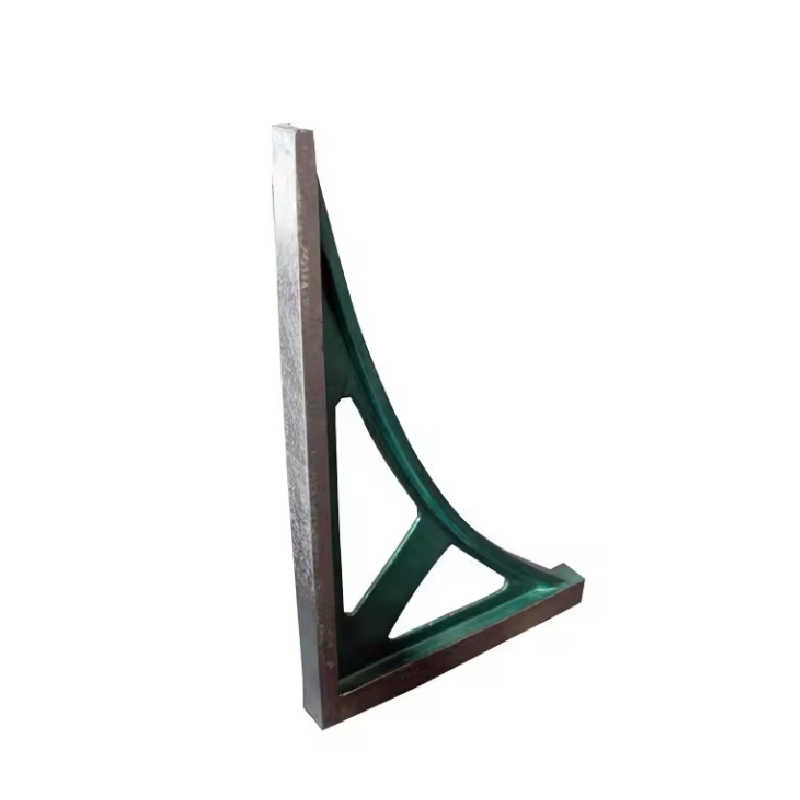
The Right Angle Metal Ruler A Versatile Tool in Precision Measurement In the world of precision tools, few instruments are as vital as the right angle metal ruler. This seemingly simple tool plays a crucial role in various fields, from woodworking and metalworking to architecture and engineering. This article will explore the significance, design, and applications of the right angle metal ruler, illustrating how it has become indispensable for professionals and hobbyists alike. Understanding the Right Angle Metal Ruler The right angle metal ruler, also known as a framing square or try square, is a measuring device that consists of a flat, rectangular body with a 90-degree angle, typically made from durable materials such as stainless steel or aluminum. Its primary function is to ensure the accuracy of right angles in construction and fabrication processes. The long arm of the ruler facilitates the measurement of larger distances while the short arm provides precise control for smaller scale measurements. One of the distinguishing features of a right angle metal ruler is its etched markings. These markings, often in both metric and imperial units, allow users to take exact measurements with ease. Unlike wooden measuring tools, metal rulers are less likely to warp or bend over time, making them a reliable choice for quality assurance in various projects. Design and Features The design of a right angle metal ruler is both functional and practical. Its robust construction ensures longevity, while its compact size allows for easy handling and portability. Many models even feature a non-slip grip on the edge, enabling stability during use, especially when drawing straight lines or measuring angles. Some rulers also include graduated markings that improve versatility. For instance, one side may feature millimeter increments for precise measurement, while the other side may offer inch increments. This dual functionality caters to a wide range of users and applications, enhancing its value as a multitasking tool. right angle metal ruler Applications in Various Fields The right angle metal ruler finds its use across many professions and hobbies. In carpentry, it aids in framing walls, laying out staircases, and ensuring joints fit perfectly. Carpenters rely on it to confirm that cuts are straight and true, preventing wastage of materials and time. In metalworking, the ruler is essential for fabricating metal parts and ensuring that pieces are square and level. Machinists use it to measure cuts and angles with precision, allowing for intricate designs and high-quality products. Architects and engineers utilize the right angle metal ruler during the planning stages of projects. It helps them draft accurate blueprints, ensuring that all dimensions and angles align correctly before construction begins. A small deviation in measurements can lead to significant errors down the line, making tools like the right angle metal ruler essential for successful project execution. Educational settings also benefit from this measuring tool. In classrooms, students learn the fundamentals of geometry and measurement using a right angle metal ruler. Whether conducting science experiments or crafting models, students develop foundational skills that will serve them in advanced studies and future careers. Conclusion In summary, the right angle metal ruler is much more than a simple measuring tool; it is a cornerstone of precision in various fields. Its robust design, combined with the ease of use and versatility, makes it an essential tool for professionals and enthusiasts alike. From ensuring right angles in carpentry to aiding in precise measurements in engineering, the right angle metal ruler supports quality craftsmanship across many disciplines. As we continue to innovate and progress in our respective fields, this unassuming tool remains a reliable companion in the pursuit of excellence. Embracing the right angle metal ruler not only embodies the spirit of precision but also highlights the importance of meticulous measurement in achieving successful outcomes. Whether you are a seasoned professional or a newcomer to the craft, this tool will invariably enhance your skill set and elevate the quality of your work.
about
4mm mirror glass price
Understanding Pin Gauge Measurement Principles and Applications Pin gauge measurement is a widely used technique in various engineering and manufacturing domains, providing precise dimensions essential for quality control and product integrity. Pin gauges, also known as pin measuring tools, consist of a series of cylindrical pins of known diameter that are used to measure hole sizes, gaps, and clearances with exceptional accuracy. This article delves into the principles, applications, and advantages of pin gauge measurement. Principles of Pin Gauge Measurement The fundamental principle behind pin gauges is their ability to compare unknown dimensions against known standards. Each pin gauge is manufactured to exact specifications, with each pin's diameter representing a specific measurement. These gauges are typically categorized into two main types go and no-go pins. - Go Pins These pins are designed to fit into a hole or gap, confirming that the measured space is within the acceptable tolerance range. - No-Go Pins Conversely, these pins are designed to be larger than the specified dimension. If the no-go pin fits, it indicates that the hole or gap is too large and exceeds the maximum allowable limit. Together, these gauges provide a simple yet effective way to ensure that manufactured parts meet predetermined specifications. Applications of Pin Gauge Measurement Pin gauges are extensively utilized in industries such as automotive, aerospace, and precision engineering, where dimensional accuracy is critical. Their applications include, but are not limited to 1. Inspection of Hole Sizes Pin gauges are used to measure the diameters of holes in various components, ensuring they meet design specifications. For instance, in engine manufacturing, accuracy in hole sizes is vital for proper assembly and performance. 2. Quality Control Regular use of pin gauges in quality control processes helps maintain product standards. By consistently verifying measurements, manufacturers can reduce defects and improve overall reliability. 3. Calibration of Machines Manufacturers often use pin gauges to calibrate machines that produce or utilize pre-machined components. This ensures that the equipment is functioning correctly and producing parts within the desired tolerance levels. pin gauge measurement 4. Tooling and Fixture Design Designers utilize pin gauges in the tooling process to create fixtures that hold components securely in place during production, further enhancing accuracy . Advantages of Pin Gauge Measurement The use of pin gauges offers several advantages that contribute to their popularity in precision measurement - High Precision Pin gauges provide highly precise measurements, essential for industries where even minor deviations can lead to significant issues. - Ease of Use Their straightforward design makes pin gauges easy to use, requiring minimal training for operators. This accessibility allows for quick measurements without the need for complex setups. - Durability Made from high-quality materials, pin gauges are durable and resist wear, providing longevity and reliability in a manufacturing environment. - Cost-Effective Compared to other measurement tools, pin gauges are relatively inexpensive, making them a cost-effective choice for manufacturers. - Versatility Pin gauges are available in a range of sizes and can be used in various applications, making them versatile tools in a measurement toolkit. Conclusion Pin gauge measurement is an integral part of the manufacturing process, ensuring that components meet required specifications and tolerances. By utilizing both go and no-go gauges, manufacturers can easily assess whether parts are within the desired limits, facilitating quality control and reducing the likelihood of defects. As industries continue to prioritize precision, the relevance of pin gauge measurement will undoubtedly endure, solidifying its place as a fundamental tool in engineering and manufacturing. Understanding its principles, applications, and advantages enables professionals to utilize pin gauges effectively, contributing to the overall success and reliability of their operations.
-

High quality industrial productsagement

High quality industrial products
View Details -

Meet the diverse needs of customers

Meet the diverse needs of customers
View Details -

Strict quality control

Strict quality control
View Details -

Top raw materials

Top raw materials
View Details -

Trusted supplier

Trusted supplier
View Details
Our application


news and information
Using Brackets to Assemble Wooden Structures and Enhance Your DIY Projects Effectively
Embracing Nature The Art of Joining Wood with Brackets In the world of woodworking, there is a disti
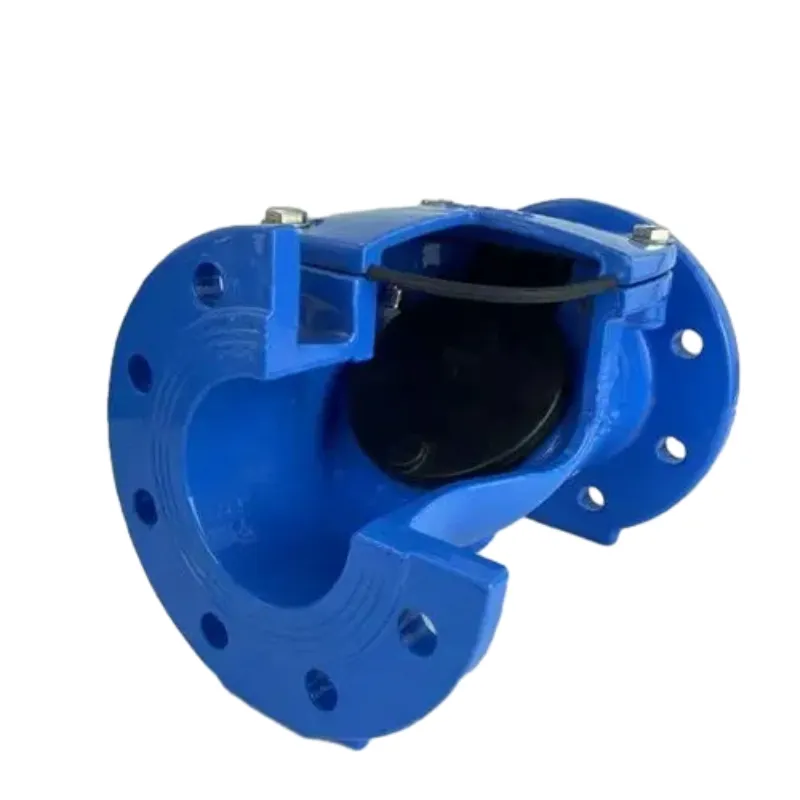
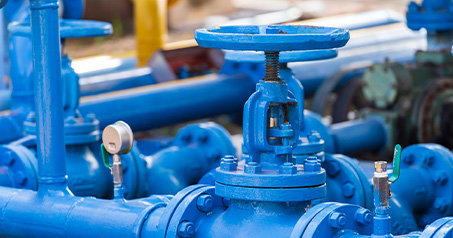
Water Meter Shutoff Valve Installation and Maintenance Guide
Understanding Water Meter Shut-Off Valves Importance and Functionality Water meter shut-off valves a
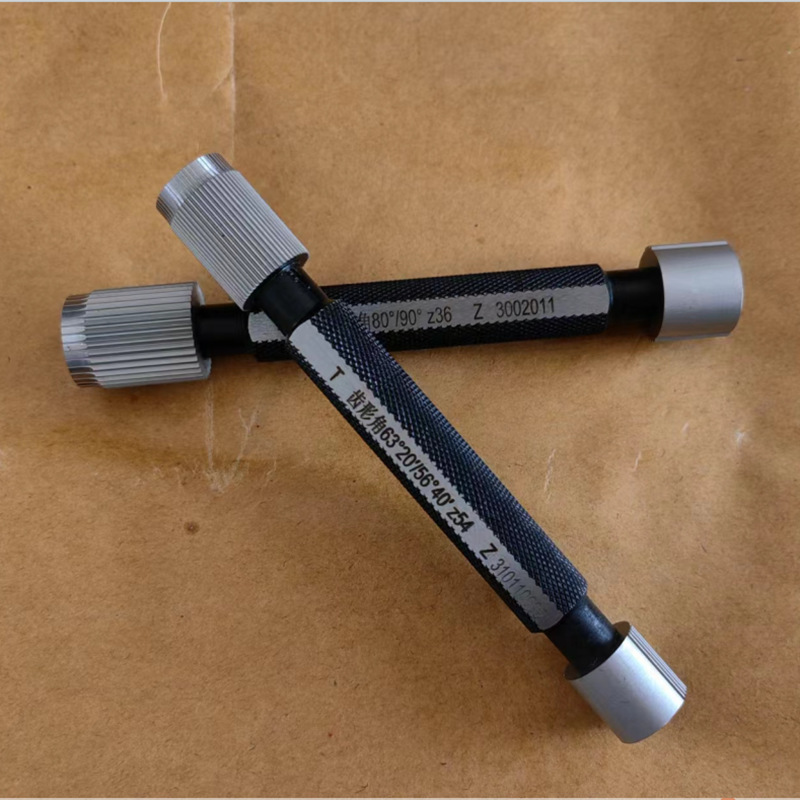
Water Meter Shutoff Valve Installation and Maintenance Guide
Understanding Water Meter Shut-Off Valves Importance and Functionality Water meter shut-off valves a
 English